
About Course
Enrollment Guide & Course Foundation
Enrollment Guide & Course Foundation
1. Overview
Understanding Accident Investigation is a practical, beginner-friendly course designed to introduce learners to the principles, processes and professional practices used to investigate accidents and incidents. Whether an event occurs in a workplace, construction environment, industrial facility, transport operation, public setting or other operational context, a well-structured investigation can help organisations understand what happened, why it happened and how similar events can be prevented.
Accident investigation is about much more than identifying who was involved or what went wrong. Effective investigators examine evidence, circumstances, human factors, equipment, procedures, communication, environmental conditions and organisational systems. This course provides a structured foundation for approaching investigations objectively, collecting reliable information and turning findings into meaningful corrective actions.
Learners will explore the complete investigation process, from initial incident response and evidence preservation through interviewing, data analysis and root-cause analysis. The course emphasises logical thinking, accurate documentation, impartiality and practical decision-making. It also highlights the importance of preserving evidence and avoiding assumptions that can lead an investigation in the wrong direction.
By the end of the course, learners will have a clear framework for approaching accident and incident investigations confidently. They will understand how to respond to an incident, gather and preserve relevant evidence, conduct effective interviews, analyse information and identify underlying causes. Most importantly, they will be better prepared to contribute to safer workplaces and stronger risk-prevention practices.
2. Description
Accidents and incidents can have serious consequences for people, organisations, property, operations and the wider community. When an unwanted event occurs, simply recording what happened is rarely enough. Organisations need to understand the circumstances surrounding the event and identify the factors that allowed it to occur. This is where accident investigation becomes an essential professional skill.
Understanding Accident Investigation introduces learners to a systematic approach for examining accidents and incidents. The course is designed to help beginners develop the mindset required for effective investigation while also providing useful principles for supervisors, safety personnel, managers, team leaders and professionals who may have responsibilities following an incident.
A strong investigation does not begin with blame. It begins with questions. What happened? Where and when did it happen? What conditions existed at the time? Who or what was involved? What evidence is available? Were procedures followed? What barriers failed? Were there contributing environmental, technical, organisational or human factors? By asking structured questions and evaluating evidence carefully, investigators can develop a more accurate understanding of an event.
The course begins with the fundamentals of accident investigation and establishes the purpose, scope and responsibilities associated with investigating incidents. Learners then move into incident response, where timely decisions can make a significant difference to safety and evidence preservation. Understanding what to do immediately after an incident is particularly important because evidence can be disturbed, changed or lost if the initial response is poorly managed.
The investigation stage introduces a structured process for gathering facts and reconstructing events. Learners will consider how to establish timelines, identify relevant conditions, examine procedures and distinguish between observations, assumptions and conclusions. This approach encourages investigators to remain objective and base findings on credible information.
Evidence collection and preservation form another important part of the course. Physical evidence, photographs, documents, records, equipment, environmental conditions and other information may all contribute to an investigation. Learners will explore the importance of documenting evidence accurately and maintaining its integrity so that findings can be supported by reliable information.
Interviewing techniques are also covered because people who witnessed, experienced or were involved in an incident can provide valuable information. Effective interviewing requires preparation, active listening, appropriate questioning and professional communication. The course encourages an approach that focuses on obtaining accurate information rather than pressuring individuals or prematurely assigning responsibility.
Once information has been collected, investigators need to make sense of it. The data-analysis module introduces learners to methods for organising information, comparing evidence, identifying patterns and developing a coherent account of the event. This helps investigators move from a collection of individual facts towards an evidence-based understanding of what occurred.
The course concludes with root-cause analysis. An accident may have an immediate cause, but preventing recurrence often requires investigators to look deeper. Equipment failure, unsafe conditions or an individual action may be visible elements of an incident, while underlying weaknesses may exist in training, supervision, maintenance, procedures, communication, planning or organisational controls. Root-cause thinking helps organisations address these deeper contributors.
You’ll discover how to use Understanding Accident Investigation for:
-
Understanding the purpose and objectives of accident investigation
-
Establishing a structured investigation process
-
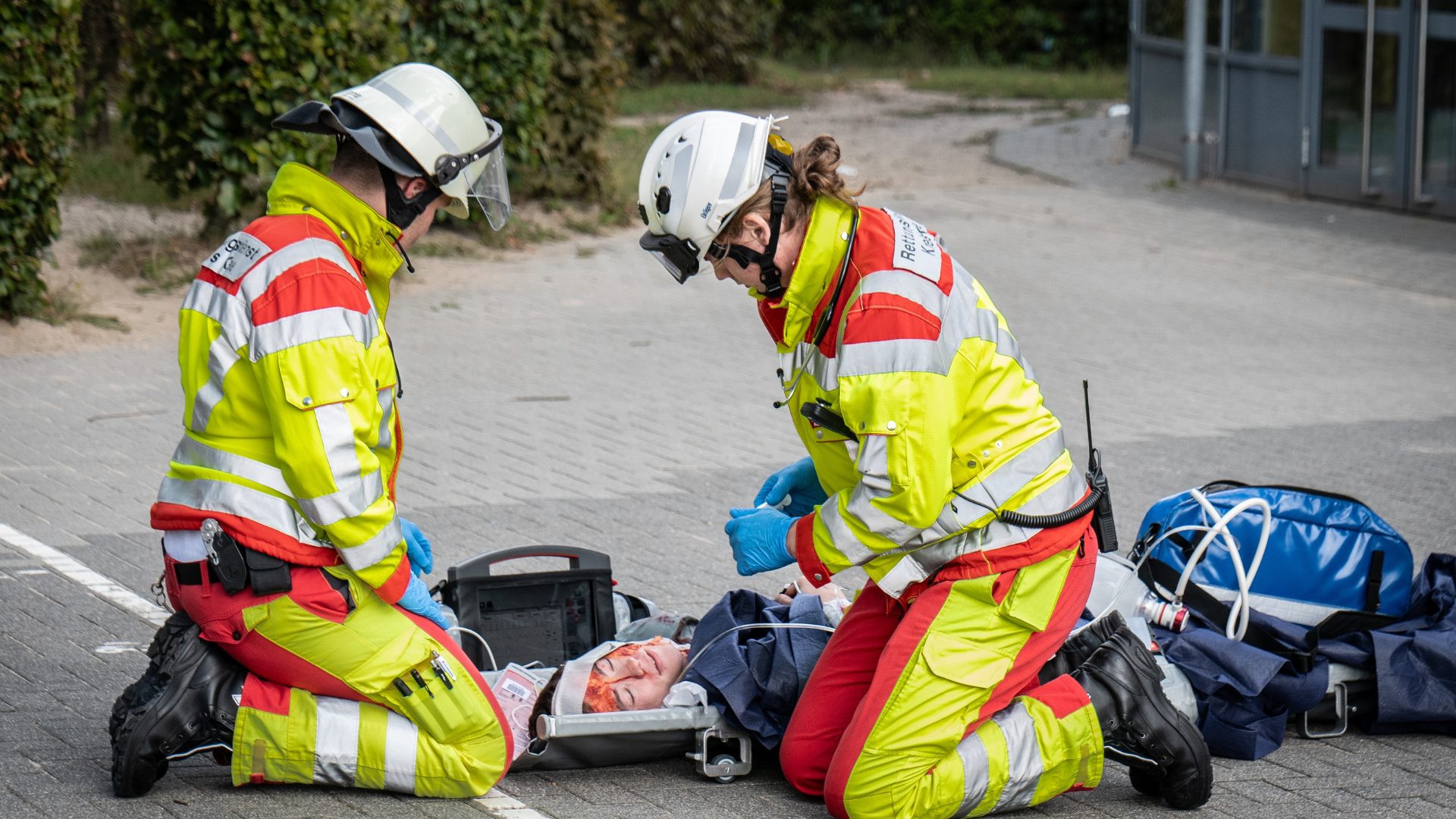
Responding appropriately to an incident scene
-
Protecting people and securing relevant areas after an incident
-
Identifying and documenting important evidence
-
Preserving physical and documentary evidence
-
Recording observations accurately and objectively
-
Developing useful incident timelines
-
Conducting structured witness interviews
-
Using effective questioning and active listening techniques
-
Organising information collected during an investigation
-
Analysing evidence to identify contributing factors
-
Distinguishing immediate causes from underlying causes
-
Applying root-cause analysis principles
-
Recognising human, technical and organisational factors
-
Identifying weaknesses in procedures and controls
-
Developing evidence-based investigation findings
-
Supporting corrective and preventive actions
-
Improving organisational learning after incidents
-
Strengthening future accident-prevention efforts
Best Practices for Effective Investigation
Professional accident investigation requires discipline and consistency. Investigators should approach each event without preconceived conclusions and allow the evidence to guide their findings. Accurate notes, clear documentation and careful evidence handling are essential throughout the process.
Another important practice is separating facts from interpretations. An investigator may observe that a machine guard was absent, for example, but should avoid immediately concluding why it was absent. Further investigation may reveal maintenance activities, procedural issues, equipment design limitations or other contributing circumstances.
Investigators should also consider the complete system surrounding an event. Looking only at the final action before an accident can create an incomplete picture. Effective investigations consider workplace design, equipment, procedures, supervision, training, communication, workload, environmental conditions and organisational practices where relevant.
Professional Investigation Workflows
A practical investigation workflow can begin with making the situation safe, providing appropriate assistance, securing the relevant area and identifying immediate priorities. Once conditions permit, investigators can begin gathering information and documenting the scene.
The next stages involve collecting evidence, interviewing relevant people, reviewing available records and reconstructing the sequence of events. Information should then be analysed to identify relationships between conditions, actions and outcomes.
The final stages involve determining causes, documenting findings and recommending appropriate corrective actions. A professional workflow should create a clear connection between evidence, conclusions and recommendations. This makes the investigation more useful to decision-makers and supports meaningful prevention.
Common Mistakes to Avoid
Accident investigations can become ineffective when investigators rush to conclusions. Common mistakes include focusing on blame, relying heavily on assumptions, overlooking inconvenient evidence, failing to document the scene properly or interviewing people without adequate preparation.
Another mistake is stopping the investigation once an obvious cause has been identified. A broken component, procedural deviation or unsafe action may explain part of an event but not necessarily why the condition existed. Investigators should continue asking appropriate questions until they have a sufficiently complete understanding of the contributing factors.
Poor evidence management can also weaken an investigation. Missing photographs, incomplete notes, unclear records or altered physical conditions can make it difficult to establish what actually happened. A consistent evidence-collection process therefore forms a critical part of professional investigation practice.
Hands-On Learning and Real-World Scenarios
The principles in this course can be applied to a wide variety of scenarios. Learners may encounter examples involving workplace injuries, equipment failures, slips and falls, vehicle incidents, process failures, property damage or near misses.
Rather than treating every event as identical, learners are encouraged to consider the unique circumstances surrounding each case. The same investigation principles can be adapted to different environments while maintaining a consistent focus on evidence, objectivity and prevention.
Scenario-based thinking also helps learners understand how individual pieces of information can connect. A witness statement may clarify a timeline, maintenance records may explain equipment conditions, photographs may reveal environmental factors, and procedural documents may identify gaps in expected controls.
Responsible and Objective Investigation
Responsible accident investigation requires fairness, confidentiality where appropriate, respect for individuals and careful handling of sensitive information. Investigators should avoid unnecessary speculation and should not treat an investigation as an opportunity to punish individuals without evidence.
The purpose of investigation should be to understand events and support prevention. Where human actions are involved, investigators should consider the wider conditions that influenced those actions. This balanced approach can produce more useful findings and encourage people to report incidents and hazards honestly.
Investigators should also recognise the limits of their expertise. Serious incidents may require specialist technical knowledge, legal advice, emergency services, regulatory involvement or other professional support. A foundational course can provide investigation principles, but it does not replace organisation-specific procedures or qualified professional advice where required.
Continuous Improvement
Accident investigation should contribute to continuous improvement rather than become an isolated administrative exercise. Findings can reveal opportunities to improve training, procedures, equipment, supervision, communication, maintenance, risk controls and organisational systems.
The most valuable investigation is one that leads to practical learning. After corrective actions are introduced, organisations should consider whether those actions address the underlying issues and whether they are working as intended. This creates a cycle of investigation, learning, improvement and prevention.
By completing Understanding Accident Investigation, learners develop a structured foundation for approaching incidents with greater confidence and professionalism. The course combines investigation principles with practical approaches to evidence, interviewing, analysis and root-cause thinking, helping learners build skills that can be applied across many operational environments.
3. Course Modules
Module 1 – Introduction to Accident Investigation
-
Understanding accidents, incidents and near misses
-
Purpose and objectives of accident investigation
-
The role and responsibilities of an investigator
-
Principles of impartial and evidence-based investigation
-
Investigation scope and planning
-
Immediate facts versus assumptions
-
Human, technical and organisational factors
-
Documentation and investigation records
Module 2 – Incident Response
-
Understanding the priorities following an incident
-
Protecting people and managing immediate hazards
-
Initial incident assessment
-
Securing and controlling the incident scene
-
Preserving important conditions and evidence
-
Notifying relevant personnel and authorities
-
Establishing an initial incident record
-
Managing communication after an incident
Module 3 – Incident Investigation
-
Developing an investigation plan
-
Establishing what happened
-
Reconstructing the sequence of events
-
Building an incident timeline
-
Identifying people, equipment and conditions involved
-
Reviewing procedures and work practices
-
Evaluating contributing circumstances
-
Developing evidence-based findings
Module 4 – Evidence Collection and Preservation
-
Types of evidence used in accident investigations
-
Identifying relevant physical evidence
-
Photographing and documenting an incident scene
-
Collecting documents, records and digital information
-
Preserving evidence integrity
-
Recording observations accurately
-
Maintaining evidence tracking and documentation
-
Avoiding evidence contamination or loss
Module 5 – Interviewing Techniques
-
Preparing for an investigation interview
-
Selecting appropriate interviewees
-
Building professional rapport
-
Using open and closed questions effectively
-
Active listening and observation
-
Clarifying inconsistencies and missing information
-
Avoiding leading and accusatory questions
-
Recording and evaluating interview information
Module 6 – Data Analysis
-
Organising investigation information
-
Comparing evidence from multiple sources
-
Establishing timelines and sequences
-
Identifying patterns and relationships
-
Evaluating conflicting information
-
Distinguishing facts from interpretations
-
Identifying contributing factors
-
Developing logical investigation conclusions
Module 7 – Root-Cause Analysis
-
Understanding immediate and underlying causes
-
Introduction to root-cause thinking
-
Identifying contributing conditions
-
Examining human and organisational factors
-
Analysing failures in controls and procedures
-
Asking deeper causal questions
-
Connecting root causes to corrective actions
-
Turning investigation findings into prevention strategies
Course Content
Module-1_-Introduction-to-Accident-Investigation
-
Lesson-1_-Introduction-to-Accident-Investigation
Module-2_-Incident-Response
Module-3_-Incident-Investigation
Module-4_-Evidence-Collection-and-Preservation
Module-5_-Interviewing-Techniques
Module-6_-Data-Analysis
Module-7_-Root-Cause-Analysis
Student Ratings & Reviews